Rapid response emergency restoration services available around the clock. Fast action minimizes damage and reduces restoration costs.
Water damage emergencies require immediate professional attention. Our 24/7 emergency response teams are ready to help when you need assistance most.
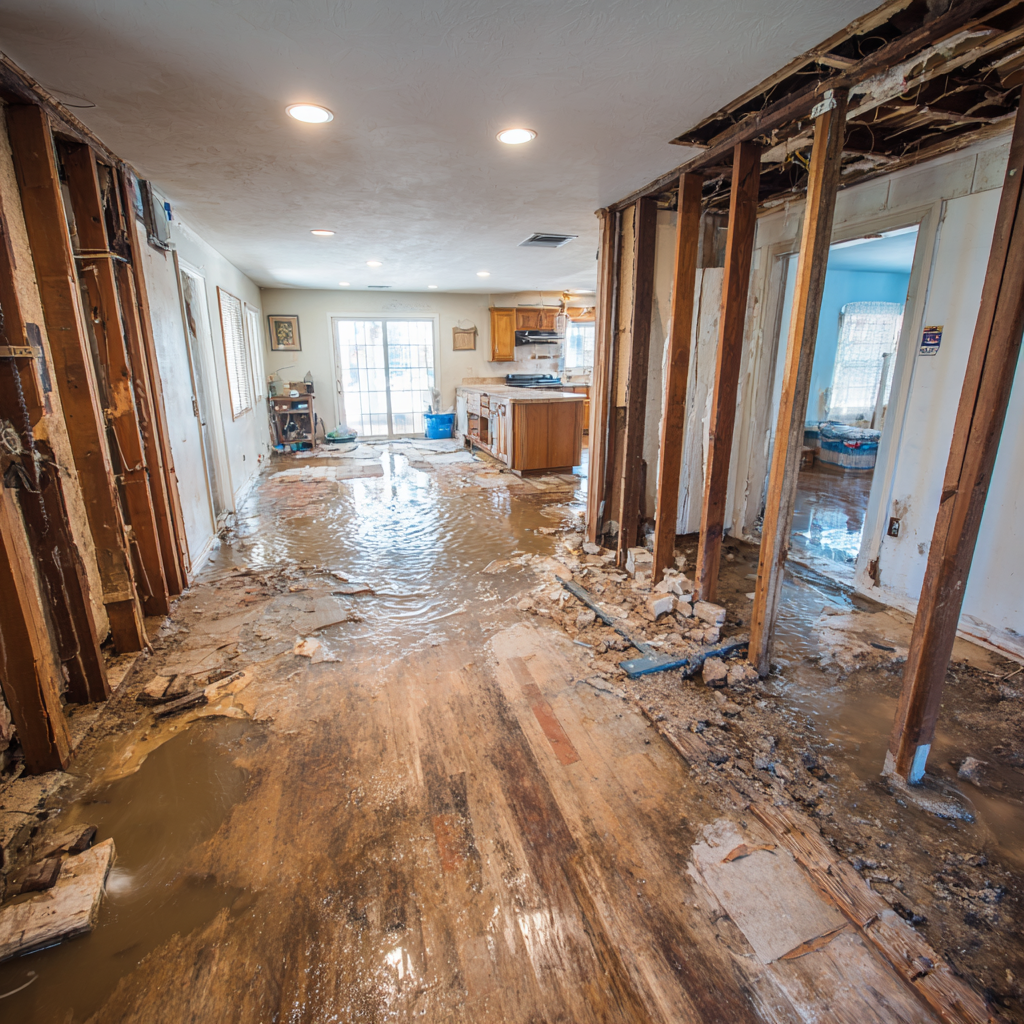
Water damage doesn't follow business hours. Our emergency response teams are available 24 hours a day, 7 days a week, including holidays. When you call, we dispatch certified technicians immediately to begin damage mitigation.
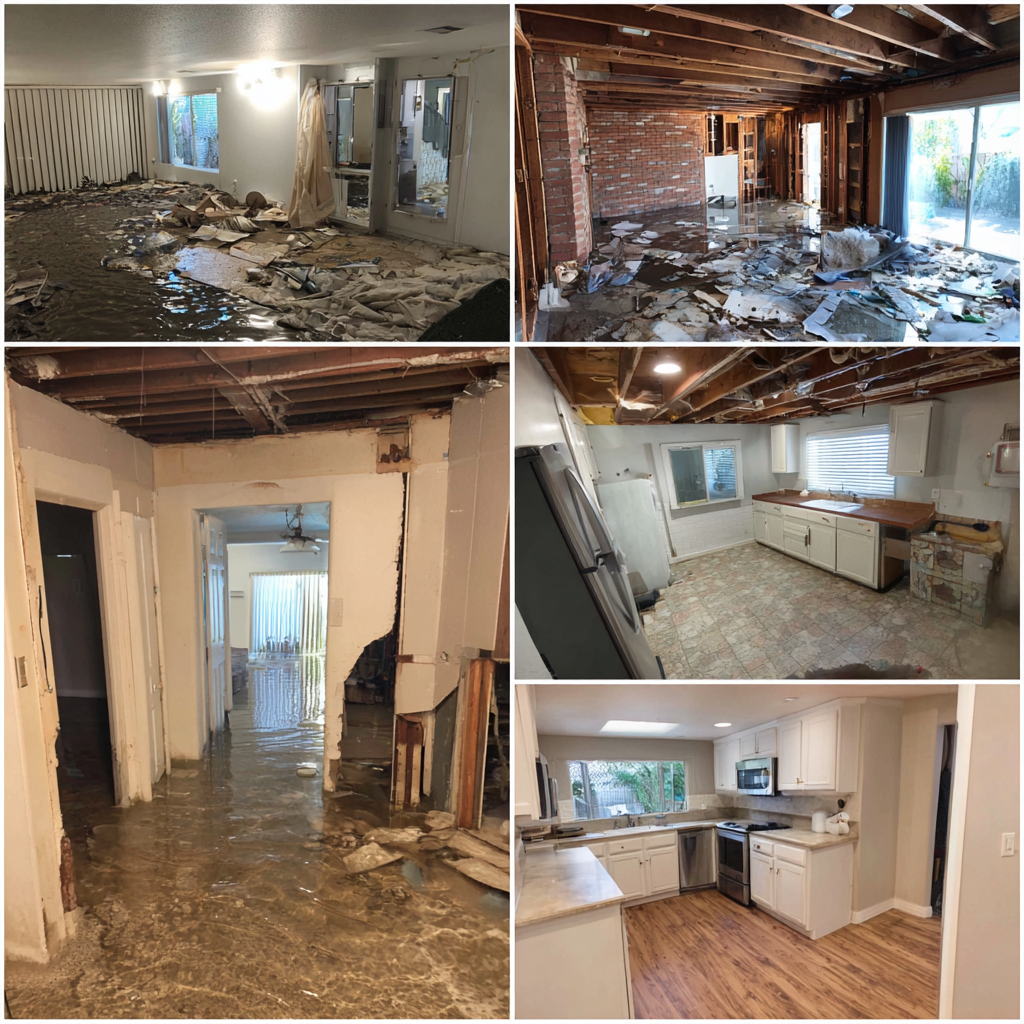
Our goal is to arrive at your property within 60 minutes of your call. Quick response helps prevent further damage, reduces restoration costs, and minimizes disruption to your daily life. Every minute counts when water is causing damage.
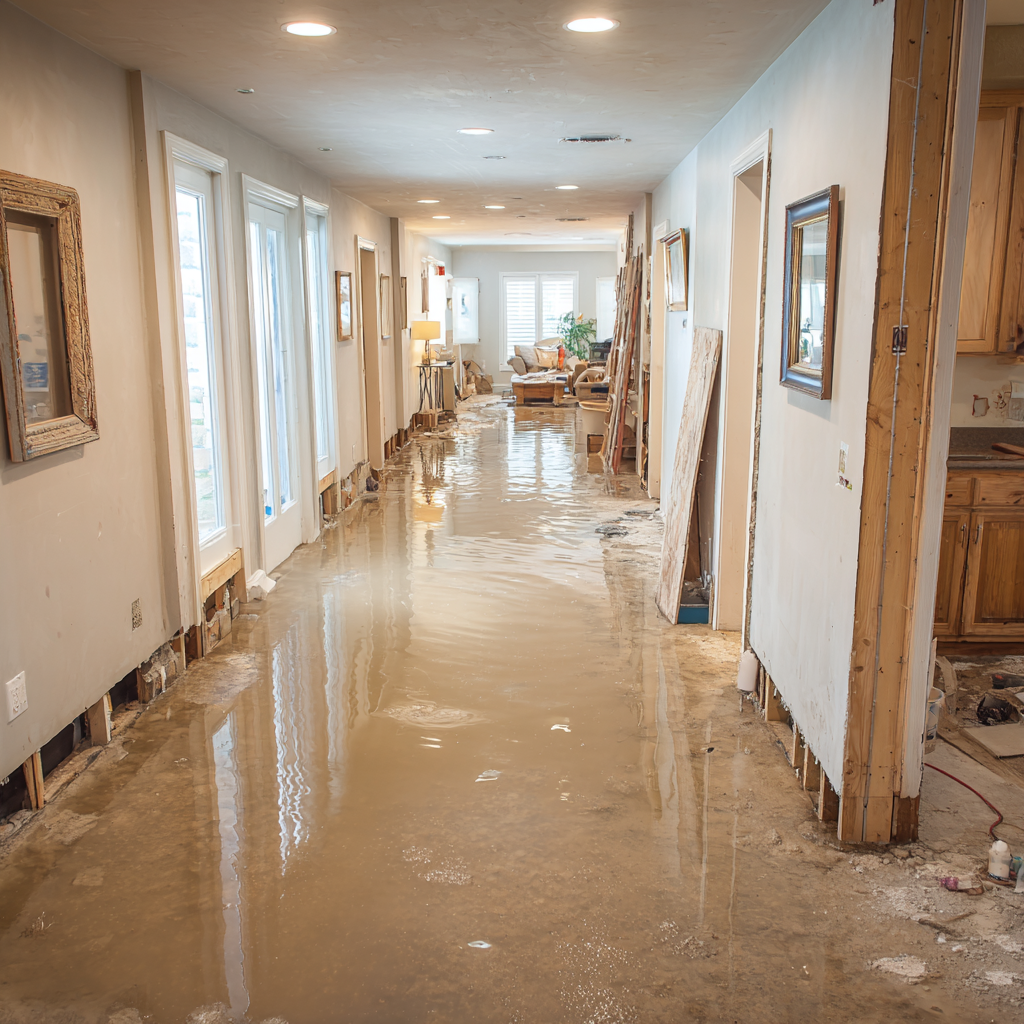
Emergency response vehicles carry industrial-grade water extraction equipment, air movers, and dehumidifiers. This equipment allows technicians to begin immediate water removal and damage mitigation upon arrival.
Various situations require immediate professional intervention to prevent extensive property damage.
Burst pipes can release hundreds of gallons of water quickly, causing immediate damage to floors, walls, and belongings. Emergency response stops the water flow and begins extraction immediately.
Heavy storms can cause roof leaks, flooding, and water intrusion through various entry points. Emergency teams secure your property and begin water removal to prevent further damage.
Malfunctioning water heaters, washing machines, or dishwashers can flood areas of your home. Quick response prevents water from spreading to additional rooms and causing more extensive damage.
Basement flooding, sewer backups, or external flooding requires immediate professional attention. Emergency teams handle contaminated water safely and begin restoration promptly.
Roof leaks during storms can cause significant water damage to ceilings, walls, and insulation. Emergency response includes temporary roof protection and immediate water extraction.
Water used to extinguish fires causes additional property damage. Emergency teams address both fire and water damage, beginning restoration immediately after fire departments complete their work.
Taking immediate action while waiting for professional help can help minimize damage to your property.
Ensure your family's safety by turning off electricity to affected areas if safe to do so. Avoid contact with standing water if electrical systems may be involved. Evacuate if structural damage is suspected.
If possible, stop the water source by turning off main water supply or shutting off water to the specific appliance. This prevents additional water from entering your property.
Contact emergency restoration services immediately. Provide details about the water source, affected areas, and any safety concerns. Professional teams can guide you through immediate steps while en route.
Take photographs or videos of damage for insurance purposes, but prioritize safety. Don't enter unsafe areas. Professional documentation will be provided during the assessment process.
If safe, move valuable items away from water. However, don't risk personal safety. Professional teams can handle belongings safely during the restoration process.
While waiting for professionals, avoid extensive DIY cleanup that might spread contamination or cause additional damage. Professional equipment and expertise ensure proper restoration.
Our systematic emergency response ensures immediate damage mitigation and begins the restoration process.
When you call, we immediately dispatch the nearest available emergency response team. Technicians contact you en route to gather additional information and provide safety guidance.
Upon arrival, technicians conduct a rapid assessment to identify immediate safety concerns, water sources, and affected areas. This quick evaluation determines immediate action priorities.
Industrial equipment begins water extraction immediately. This rapid removal prevents further saturation and reduces overall drying time. Technicians work efficiently to minimize damage extent.
Temporary measures prevent further damage while comprehensive restoration planning begins. This includes securing affected areas, setting up drying equipment, and protecting unaffected portions of your property.