Professional mold inspection, testing, removal, and prevention services to protect your property and family health.
Mold growth can occur in various conditions and understanding the factors that contribute to mold helps in prevention and remediation.
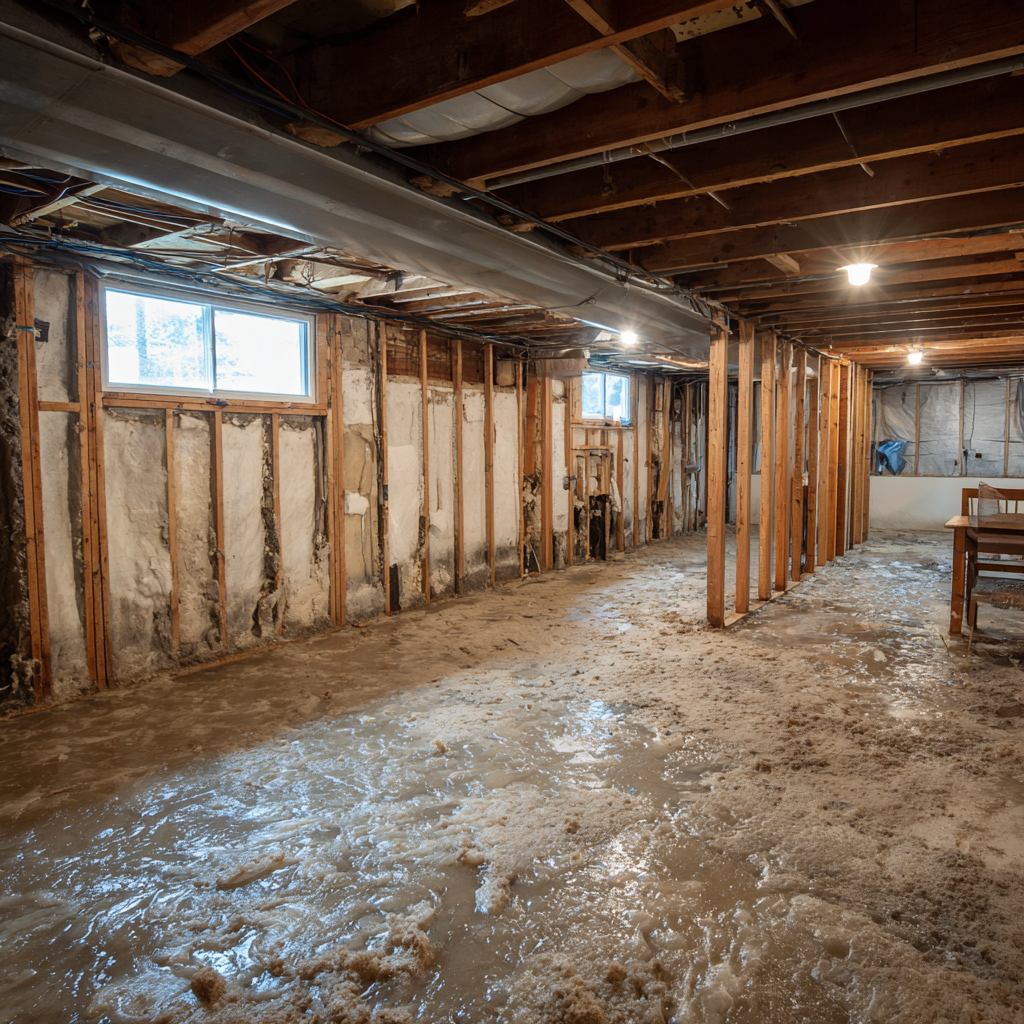
Mold requires moisture, organic material, and appropriate temperatures to grow. Areas with water damage, high humidity, or poor ventilation are particularly susceptible. Understanding these conditions helps identify potential problem areas in your home.
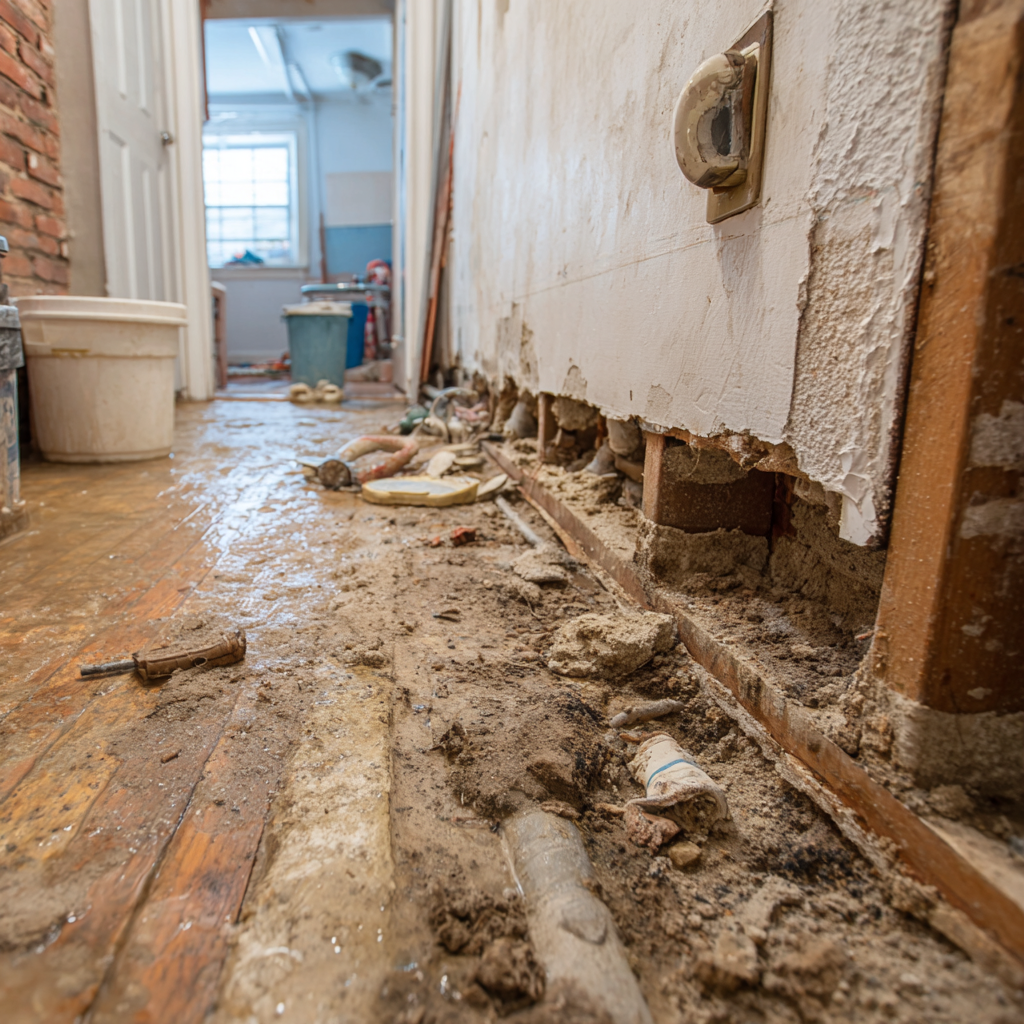
Mold often grows in basements, bathrooms, kitchens, attics, and areas with previous water damage. Hidden mold can develop behind walls, under flooring, or in crawl spaces. Professional inspection identifies all affected areas.
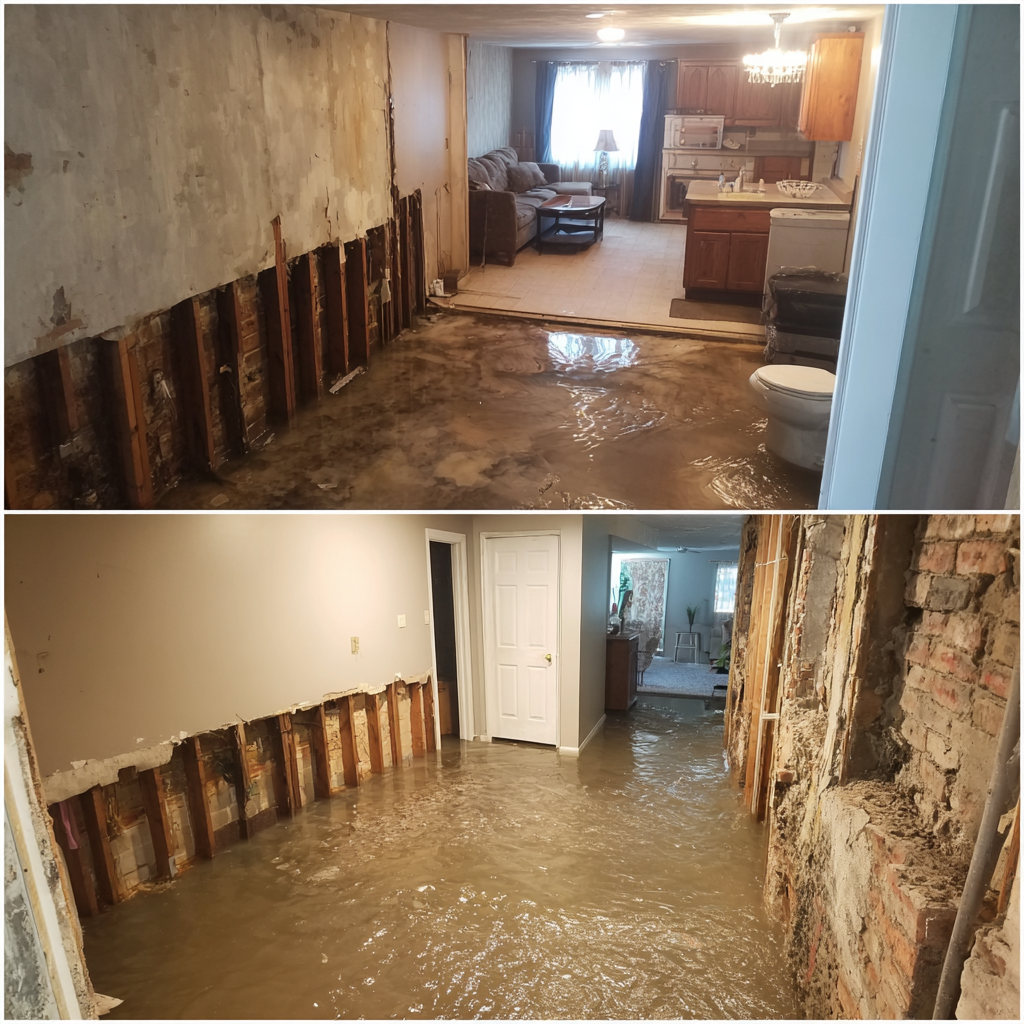
Mold exposure can cause respiratory issues, allergic reactions, and other health concerns, particularly for individuals with asthma or compromised immune systems. Professional remediation ensures safe removal and improved indoor air quality.
Our systematic approach ensures safe and complete mold removal while preventing spore spread throughout your property.
Certified mold inspectors conduct comprehensive visual inspections and use moisture detection equipment to identify all affected areas. This assessment determines the scope of remediation needed.
Air and surface sampling identifies mold types and spore concentrations. Testing helps determine appropriate remediation methods and verifies indoor air quality after remediation.
Plastic barriers and negative air pressure systems prevent mold spores from spreading to unaffected areas during removal. This containment protects your entire property during remediation.
Affected materials are safely removed and disposed of according to regulations. Non-porous surfaces receive thorough cleaning using EPA-approved antimicrobial solutions.
HEPA filtration systems remove mold spores from the air during and after remediation. This ensures clean indoor air quality and prevents spore redistribution.
Addressing moisture sources prevents future mold growth. This includes fixing leaks, improving ventilation, and maintaining appropriate humidity levels in your home.
Certain situations require professional mold remediation to ensure safe removal and prevent health risks.
Mold covering more than 10 square feet typically requires professional remediation. Large areas indicate significant moisture issues that need comprehensive assessment and treatment.
Musty odors or water damage history suggest hidden mold behind walls or under flooring. Professional inspection and remediation address these concealed growth areas safely.
If household members experience respiratory symptoms or allergic reactions, professional remediation ensures safe removal and improved indoor air quality.
Mold in heating, ventilation, or air conditioning systems requires professional cleaning to prevent spore distribution throughout your entire property.
Preventing mold growth protects your property and eliminates the need for remediation services.
Fix leaks promptly, ensure proper drainage around your foundation, and maintain indoor humidity levels below 60%. Dehumidifiers help control moisture in basements and other damp areas.
Ensure adequate ventilation in bathrooms, kitchens, and laundry areas. Exhaust fans and open windows help reduce moisture buildup that promotes mold growth.
Regular inspections of areas prone to moisture help identify problems early. Check basements, attics, and areas with previous water damage for signs of mold growth.